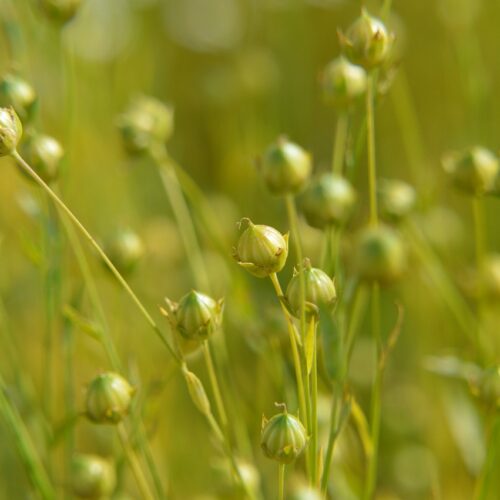
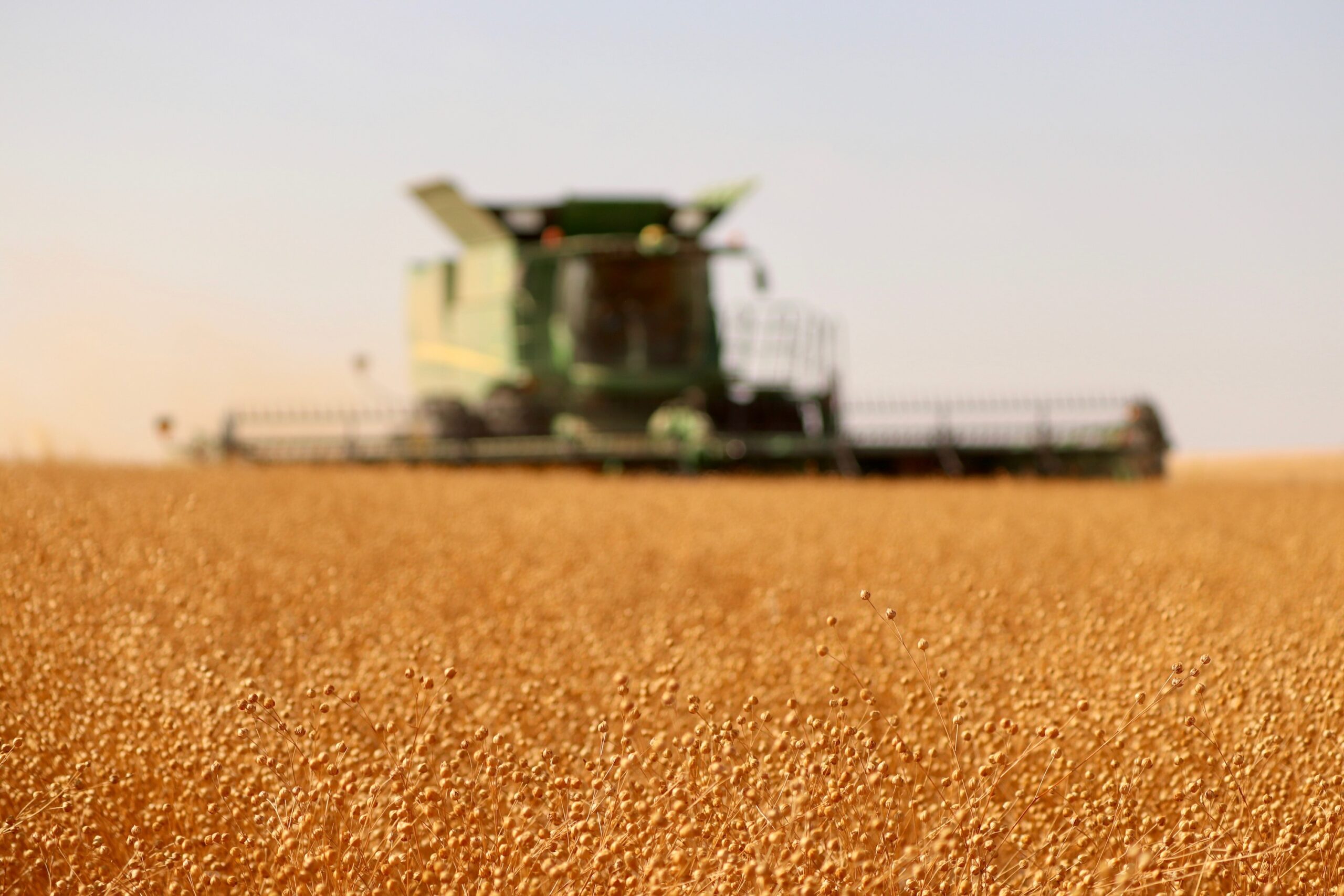
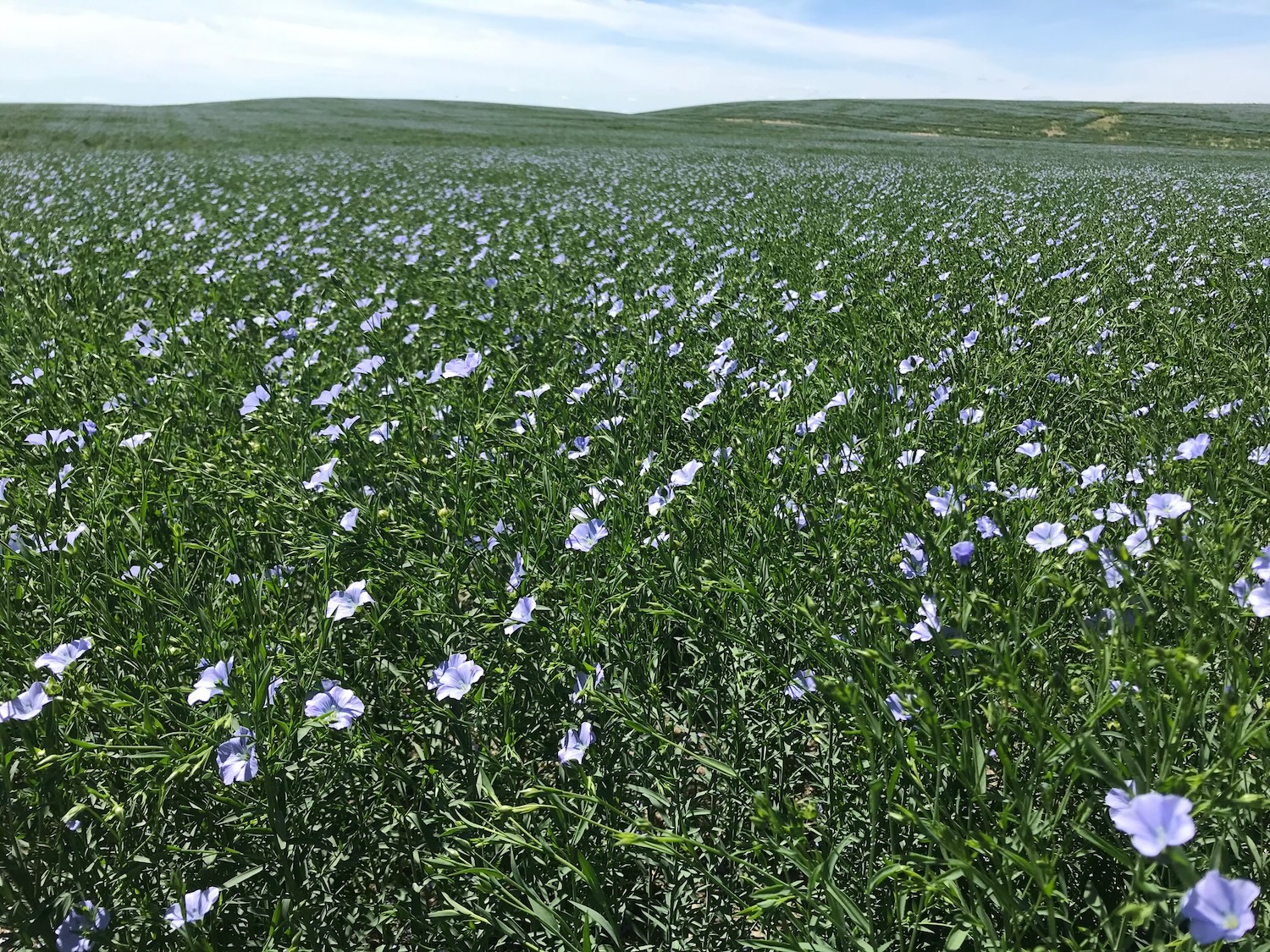
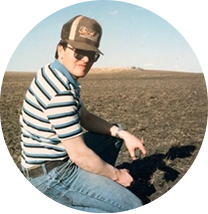
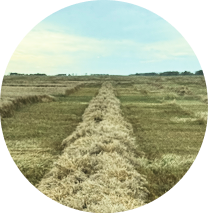
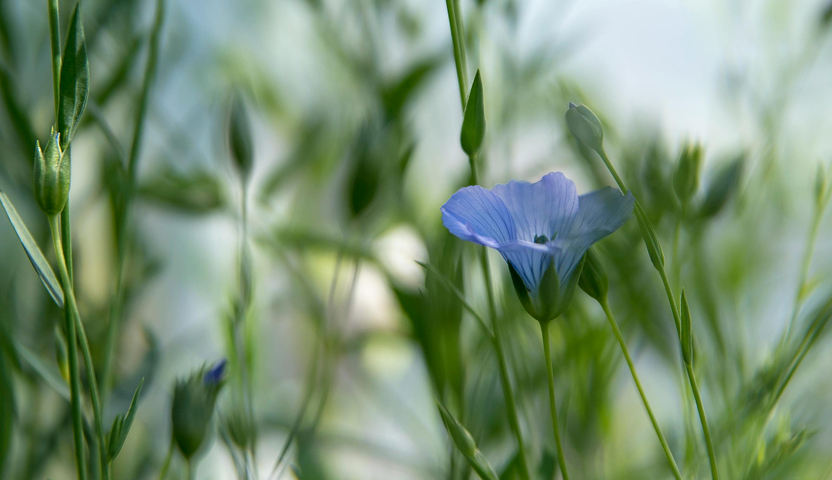
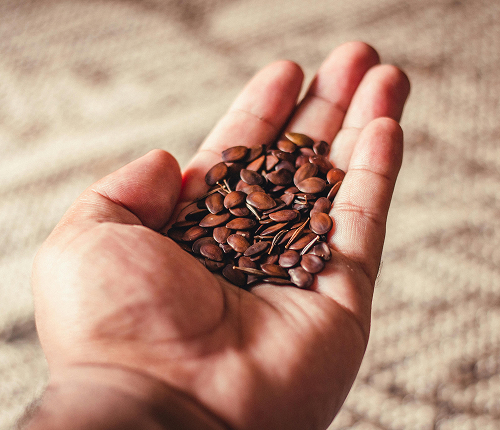
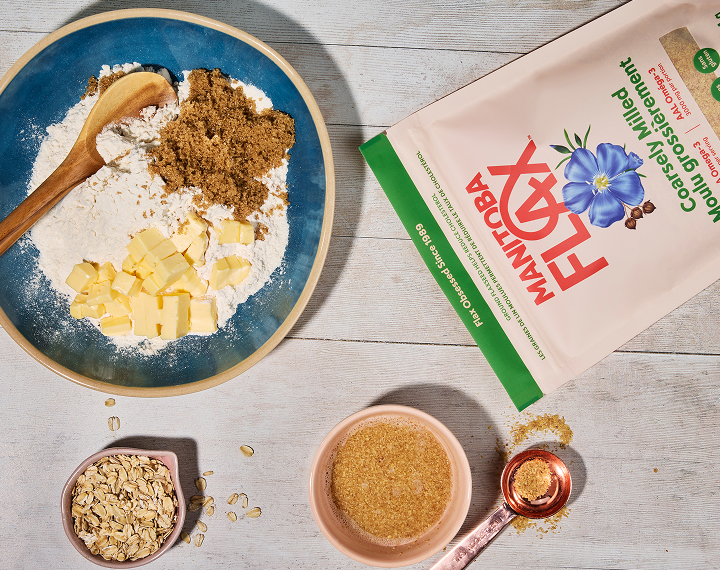
We mix decades of expertise, family pride, and a sprinkle of prairie sunshine to bring you nutrient-packed and fab flax. Proudly family-owned and women-led, we combine traditional know-how with cutting-edge milling. Every seed is grown with farming practices that keep the soil happy, the planet healthy, and your flax fresh and flavorful.
Our story
From Prairie Fields With Love, Since 1989
Our People
Meet The Team
Mary Eckman
Co-Founder, CEO
Julie Faber
Co-Founder, Vice President
Lisa Bergh
Co-Founder, VP Business Development
Cassidy Leatherwood
Marketing and Customer Service
WHy we care
Flax is Our Passion
We don’t just mill flax—we obsess over it. Every decision we make, from soil to shelf, is guided by a simple goal: deliver flax that tastes amazing and brings real nutrition to your table. It’s a mix of science, experience, and a love for a crop that’s been at the heart of our family for decades.
What Makes Us Different
Farming That Goes Beyond Sustainability
We don’t just want to “sustain” the land, we want to improve it. Our regenerative farming practices rebuild soil health, boost biodiversity, and leave our fields better than we found them. Plus, healthier soil means better flax and nutrition for you!
How It's Done
Regenerative farming isn’t one single practice—it’s a system. Every choice we make in the field works together to protect the soil, support ecosystems, and grow stronger crops year after year. Here’s what that looks like in action.
Undisturbed Soil
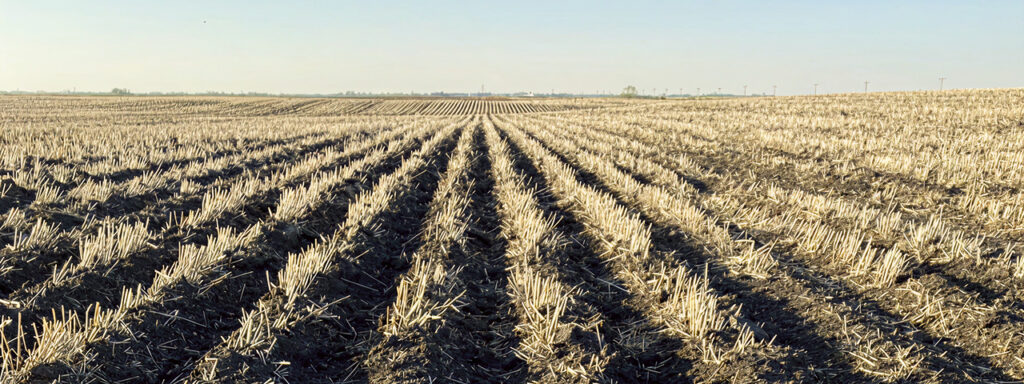
No-Till Farming
We skip the plow to protect soil structure, keep carbon in the ground, and naturally preserve healthy organic matter like old roots and plant residue needed for healthy soil.
Off-Season Diversity
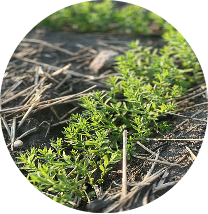
Soil Check
Soil testing is our way of giving the land a check-up. By understanding what it needs, we help flax grow strong, healthy, and full of life.
PLANNED DIVERSITY
Crop Rotation
Each year, we change what grows where. It reduces pests naturally and supports long-term, nutrient-rich soil.
Bonus
Flax is Naturally
Low-Impact
Flax is a sustainability overachiever by nature. It doesn’t need irrigation, demands minimal pesticides, and plays nicely with pollinators. In other words, it’s one of the most eco-friendly crops you can put on your plate.